
Houseway2Wealth
Learn Real Estate
Close Deals. Build Real Wealth.
Get trained through proven real estate strategies used by active investors.
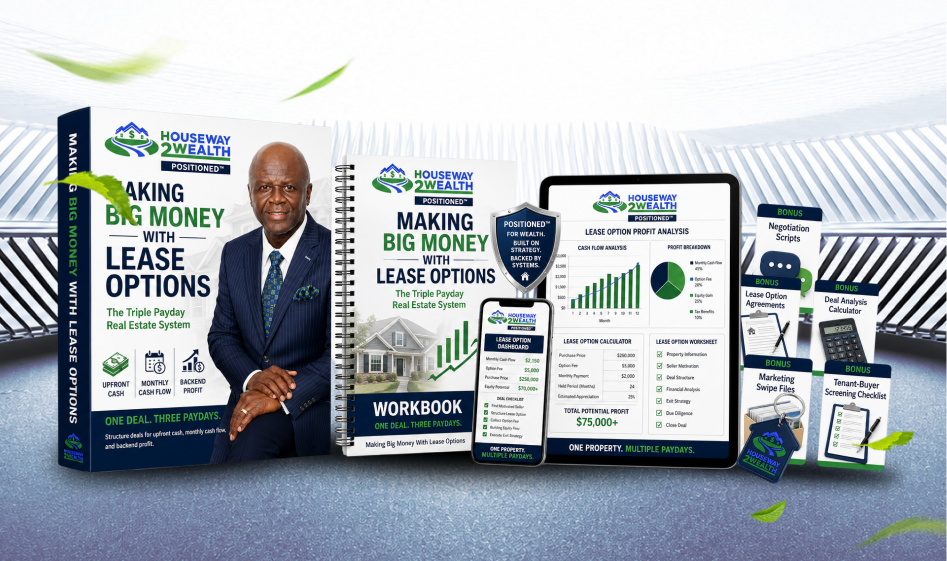
Making Big Money With Lease Options
$997
$1,297

60-Day Probate Investing Challenge
$497
$897

90-Day Foreclosure Challenge
$497
$897
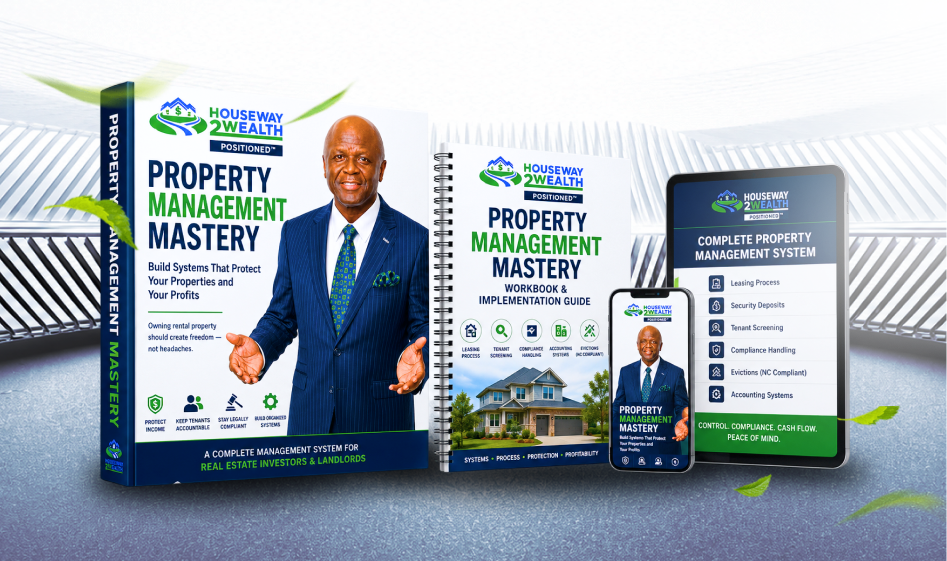
Property Management Mastery
$997
$1,297
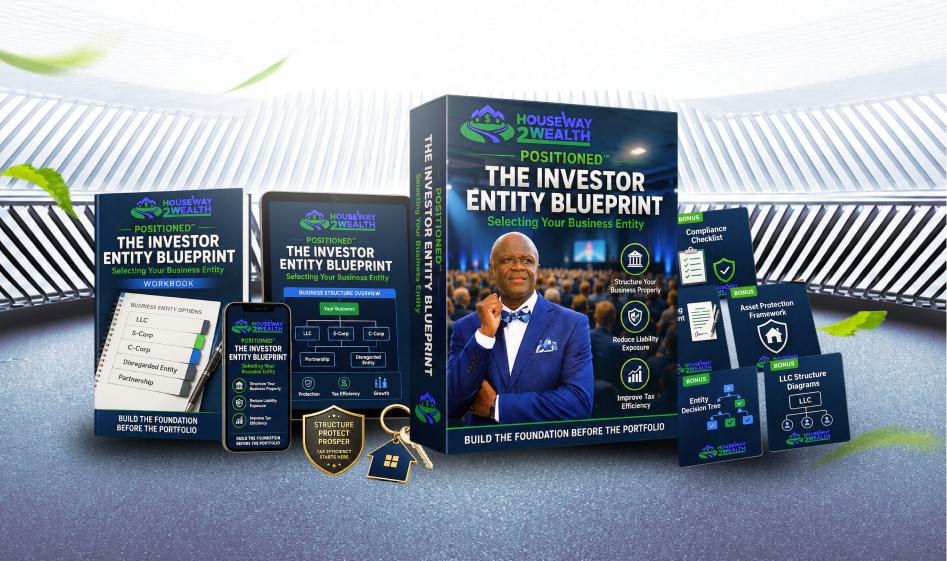
Selecting Your Business Entity
$997
$1,297
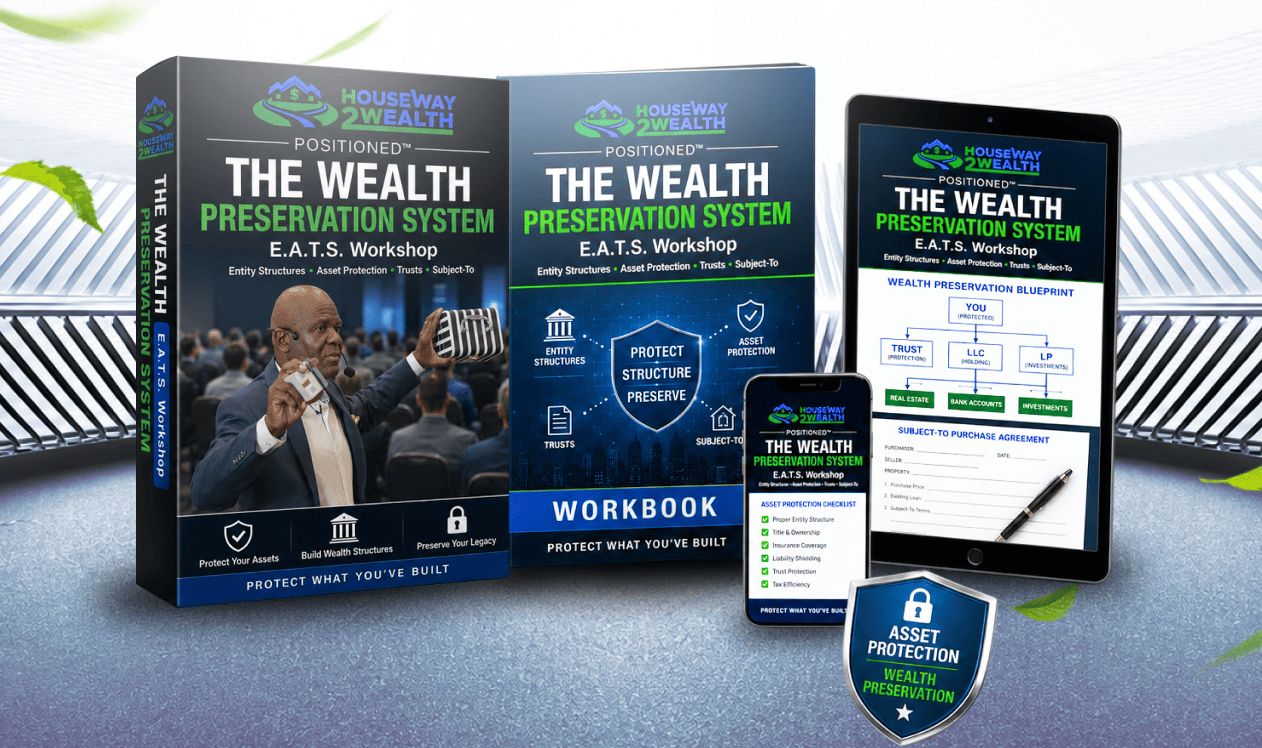
Entity Structures • Asset Protection
$997
$1,297
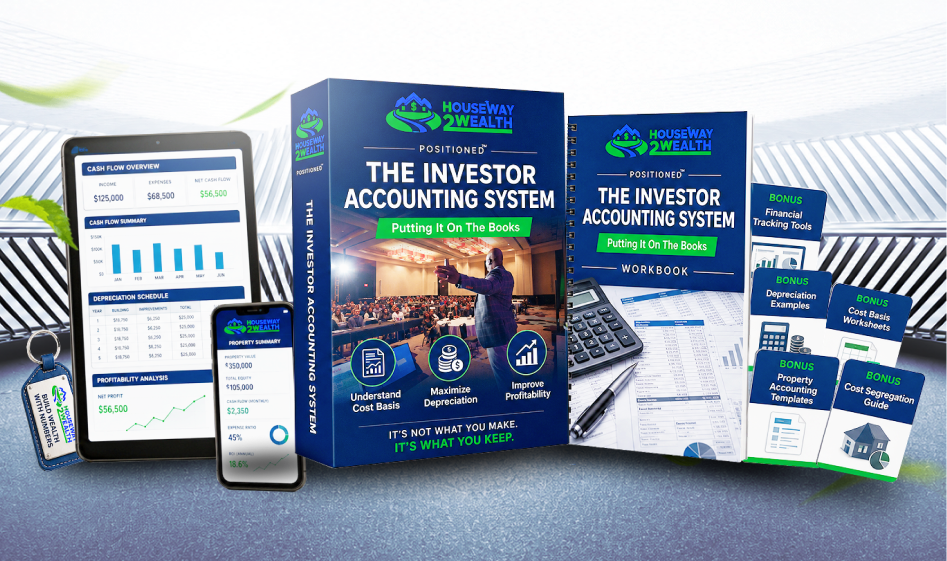
Putting It On The Books
$197
$297

Real Estate Market Cycles
$197
$297

The Deal Architect System
$997
$1,497

The Deal Analysis System
$297
$497
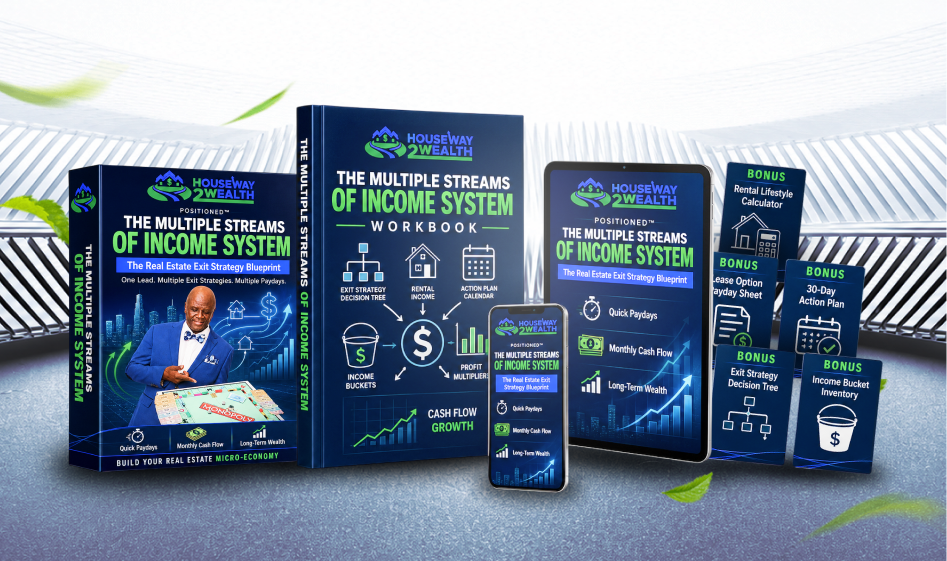
The Multiple Streams Of Income System
$49
$149
60-Day Probate Investing Challenge
$497
$897
90-Day Foreclosure Challenge
$497
$897
Making Big Money With Lease Options
$997
$1,297
The Deal Architect System
$997
$1,497
The Deal Analysis System
$297
$497
The Multiple Streams Of Income System
$49
$149
Property Management Mastery
$997
$1,297
Entity Structures • Asset Protection
$997
$1,297
Putting It On The Books
$197
$297
Selecting Your Business Entity
$997
$1,297
Frequently Asked Questions
Is this for beginners?
Yes. HouseWay2Wealth™ courses are designed to meet investors where they are — from the novice who is just getting started to the experienced investor who wants to sharpen strategy, improve structure, and build with greater confidence.
Whether you are learning the fundamentals, working to complete your first deal, managing rental property, exploring creative financing, or looking to strengthen an existing portfolio, the goal is the same: to help you become properly positioned before making decisions with your time, money, credit, reputation, or assets.
The training is structured to make real estate investing clear, practical, and strategic. We break down the terminology, concepts, risks, opportunities, and deal structures in a way that helps newer investors build a solid foundation while giving more advanced investors the tools, perspective, and frameworks needed to make better decisions and operate at a higher level.
Do I need prior real estate experience?
No. You do not need prior real estate experience to begin with HouseWay2Wealth™.
Our courses are designed to support investors at different stages — from the person who is brand new and needs a strong foundation, to the investor who already has experience but wants better structure, sharper strategy, and a more confident way to evaluate opportunities.
If you are just getting started, the training will help you understand the language of real estate, how deals are structured, what risks to watch for, and how to think like an investor before taking action.
If you already have experience, the courses can help you refine your approach, improve your deal analysis, strengthen your systems, explore creative financing strategies, and become more intentional about building wealth brick by brick.
The goal is not simply to give you more information. The goal is to help you become properly positioned for your next level.
Do I need a real estate license?
No. You do not need a real estate license to take these courses or to learn real estate investing strategies.
That said, every state has its own rules regarding real estate transactions, marketing, disclosures, contracts, and compensation. The training is educational in nature and is designed to help you better understand the business. You should always consult with qualified legal, tax, and real estate professionals when applying these strategies in your local market.
Can I do this while working full-time?
Yes. Many people begin building their real estate business while working a full-time job, running another business, or managing family responsibilities.
The key is not having unlimited time. The key is having structure. These courses are designed to help you focus on the right actions, avoid wasted motion, and build your investing knowledge in a way that fits into real life.
You do not have to quit your job to get educated, analyze deals, build your network, study your market, or begin putting the right systems in place.
What if I do not have money to invest?
You can still begin learning, positioning yourself, and identifying opportunities.
Real estate investing is not always about having large amounts of cash. It is about understanding value, structure, timing, leverage, problem-solving, and how to match the right strategy to the right situation.
In some cases, there are creative financing opportunities where very minimal capital may be required. Through strategies such as lease options, seller financing, subject-to structures, private agreements, credits, concessions, or properly structured transactions, investors may be able to control or acquire real estate without relying solely on traditional bank financing or large down payments.
We have even had students encounter situations where the structure of the deal allowed them to be “paid to buy” because the numbers, terms, seller motivation, and transaction strategy lined up properly.
That does not happen in every deal, and it should never be assumed. But it shows why education matters. When you understand how to analyze a deal, structure an offer, and solve problems creatively, you begin to see possibilities that many investors miss.
The goal is to help you become properly positioned before you take action, so you can recognize opportunity, avoid unnecessary risk, and make smarter real estate decisions.
Will I learn creative financing?
Yes. Creative financing is a major part of the HouseWay2Wealth™ philosophy.
Depending on the course you choose, you may learn about lease options, seller financing, subject-to concepts, owner financing, multiple exit strategies, deal structuring, and how to match the right solution to the right seller situation.
The goal is not to force one strategy onto every deal. The goal is to help you understand how to play the real estate game with strategy, so you can recognize opportunities that other investors may overlook.
What happens after I enroll?
After you enroll, you will receive access instructions for your course and any included training materials, worksheets, tools, or resources associated with that course.
From there, you can begin working through the lessons, reviewing the materials, completing the assignments, and applying the concepts at your own pace. The goal is not just to watch videos. The goal is to understand the material, take action, and begin building your real estate knowledge with clarity and confidence.
How long do I have access to the course?
Access may vary depending on the specific course, workshop, or training program you select. The course checkout page or enrollment details will explain the access period for that specific offer.
During your access period, you can review the lessons, revisit key concepts, and work through the materials as you build your understanding. Real estate investing is not learned in one sitting, so the training is designed to give you time to study, implement, and revisit important principles as needed.
Do I receive forms and contracts?
Many HouseWay2Wealth™ courses include supporting tools such as worksheets, checklists, templates, calculators, scripts, examples, or sample documents, depending on the specific course.
Some programs may include forms or contract-related resources for educational purposes. These materials are designed to help you better understand structure and process, but they are not a substitute for legal advice. You should always have contracts and legal documents reviewed by a qualified attorney who understands your state laws and your specific transaction.
Are there live coaching calls or Q&A sessions?
Some courses, workshops, and mentorship programs may include live coaching calls, Q&A sessions, accountability sessions, or implementation support. Others may be self-paced only.
If live support is included, it will be clearly stated on the course or offer page. For students who want deeper help, deal review, strategy guidance, or more direct support, private mentorship may be the better next step.
Which course should I start with?
The best starting point depends on where you are right now.
If you are brand new and trying to understand the bigger picture, start with a foundational course like Multiple Streams of Income / Exit Strategy Blueprint or Deal Analysis System.
If you want to learn how to control property and create multiple profit centers, Lease Option Profit System may be a strong fit.
If you are focused on distressed property opportunities, you may want to look at Foreclosure Solution System or Hidden Gems in Probate.
If you already have deals or rental properties, Investor Accounting System, Investor Entity Blueprint, or Property Management Workshop may help you strengthen your foundation and protect what you are building.
The goal is not just to take a course. The goal is to get positioned with the right knowledge for your next move.
Is private mentorship available if I need more help?
Yes. Private mentorship may be available for students who want more personalized guidance, accountability, strategy support, and help building a real estate investing business with structure.
Courses are a great way to learn the principles. Mentorship is for those who want closer guidance, deeper implementation, and help applying the right strategy to their goals, market, resources, and experience level.
If you feel like you need more than information and want guidance from someone who has been in the business for decades, mentorship may be the next logical step.